Sleep is the base
No tool makes up for short nights. Everything else sits on top of a consistent sleep routine.
Cookies & privacyYour privacy choices
We use essential cookies to run this site. Analytics, personalization and advertising cookies stay off unless you accept them. Privacy Policy
We use cookies for site features, analytics, personalization and advertising. Some US state laws call this “selling” or “sharing” personal data. Choose Reject to opt out, now or any time. Privacy Policy
Recovery & biohacking
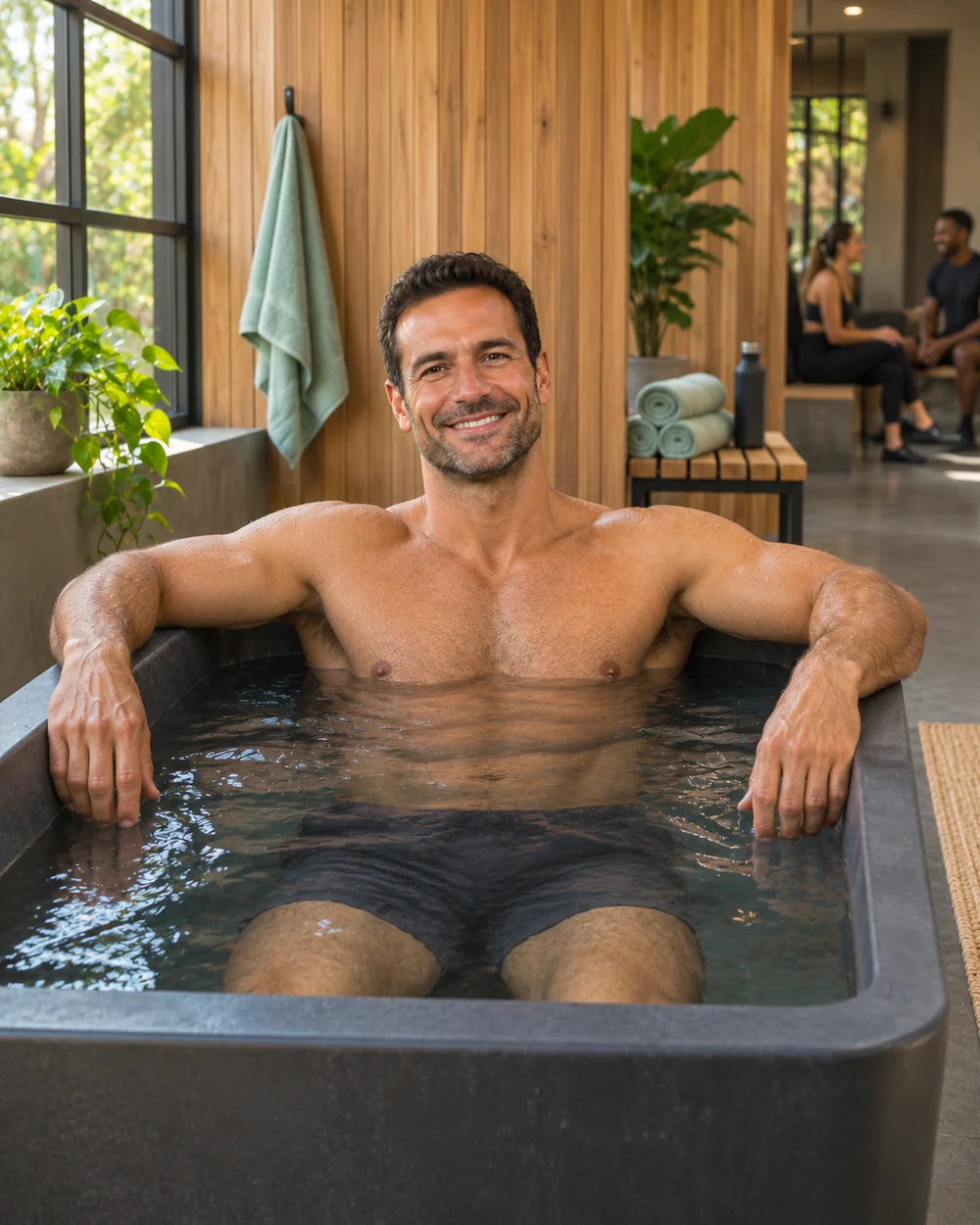
Sauna and cold plunge are part of David West's week on Long Island, built on a base of sleep and easy movement. Here's his recovery routine, how to start safely, and what to think about before you put a sauna in at home.
Why it matters
Training is the stimulus. Recovery is when your body adapts to it. Skip recovery and hard work just piles up as fatigue.
David's approach
Nothing exotic. A base of sleep and easy days, with sauna and cold plunge layered on top.
No tool makes up for short nights. Everything else sits on top of a consistent sleep routine.
A traditional sauna after training or at the end of a long day, with water before and after and a slow cool-down.
Short dips with slow, controlled breathing. The goal is a calm reset, not a contest to see who lasts longest.
Walks, mobility and light movement between hard sessions keep things moving without adding more fatigue.
Practical framework
Heat and cold are real stressors. Respect them like a heavy lift.
Mistakes to avoid
Recovery tools are simple. The mistakes usually come from ego or from skipping the basics.
Hotter, colder and longer aren't better. Stay in your comfort range and get out early.
Cold water can trigger a gasp reflex. Have someone nearby, especially when you're new.
Heat makes you sweat. Drink water before and after, and skip the alcohol.
No recovery tool makes up for short nights. Fix sleep first, then add the extras.
In David's network
A sauna at home makes recovery easy to keep up. East Coast Saunas, a partner in David's network, helps Long Island homeowners plan one properly.
Questions to settle before you build (and to verify with your own contractor and electrician):
Recovery
Long Island custom home sauna specialists: design, sourcing and build coordination for traditional home saunas.

Keep reading
Better sleep habits, a bedroom checklist and when to see a sleep provider.
How David approaches lifting and conditioning, and a simple way to start.
Six habits that add up: strength, cardio, sleep, food, recovery and people.
Questions
There's no single right order. Many people alternate and finish with whichever they prefer. Start with what feels comfortable, keep sessions short and check with your doctor if you have heart or blood pressure concerns.
No. Cold water puts real stress on the heart and breathing. If you have a heart condition or high blood pressure, are pregnant or have any doubts, talk to a doctor before you try it, and never plunge alone.
No. Gyms, recovery studios and spas across Long Island offer sauna and cold plunge. A home sauna makes it easier to be consistent if you'll use it often, and a specialist can walk you through the options.
It's one of David's event formats: sauna, cold plunge and conversation with health-minded people. Every part is optional. Join the invite list to hear about the next one.
Recovery socials
That's a David West recovery social. Join the invite list to hear about the next one on Long Island.
This is David's personal approach and general information, not medical advice. Talk to a qualified professional about your own health.