Same bedtime, same wake time
A steady schedule, weekends included, does more than any supplement or tracker.
Cookies & privacyYour privacy choices
We use essential cookies to run this site. Analytics, personalization and advertising cookies stay off unless you accept them. Privacy Policy
We use cookies for site features, analytics, personalization and advertising. Some US state laws call this “selling” or “sharing” personal data. Choose Reject to opt out, now or any time. Privacy Policy
Sleep
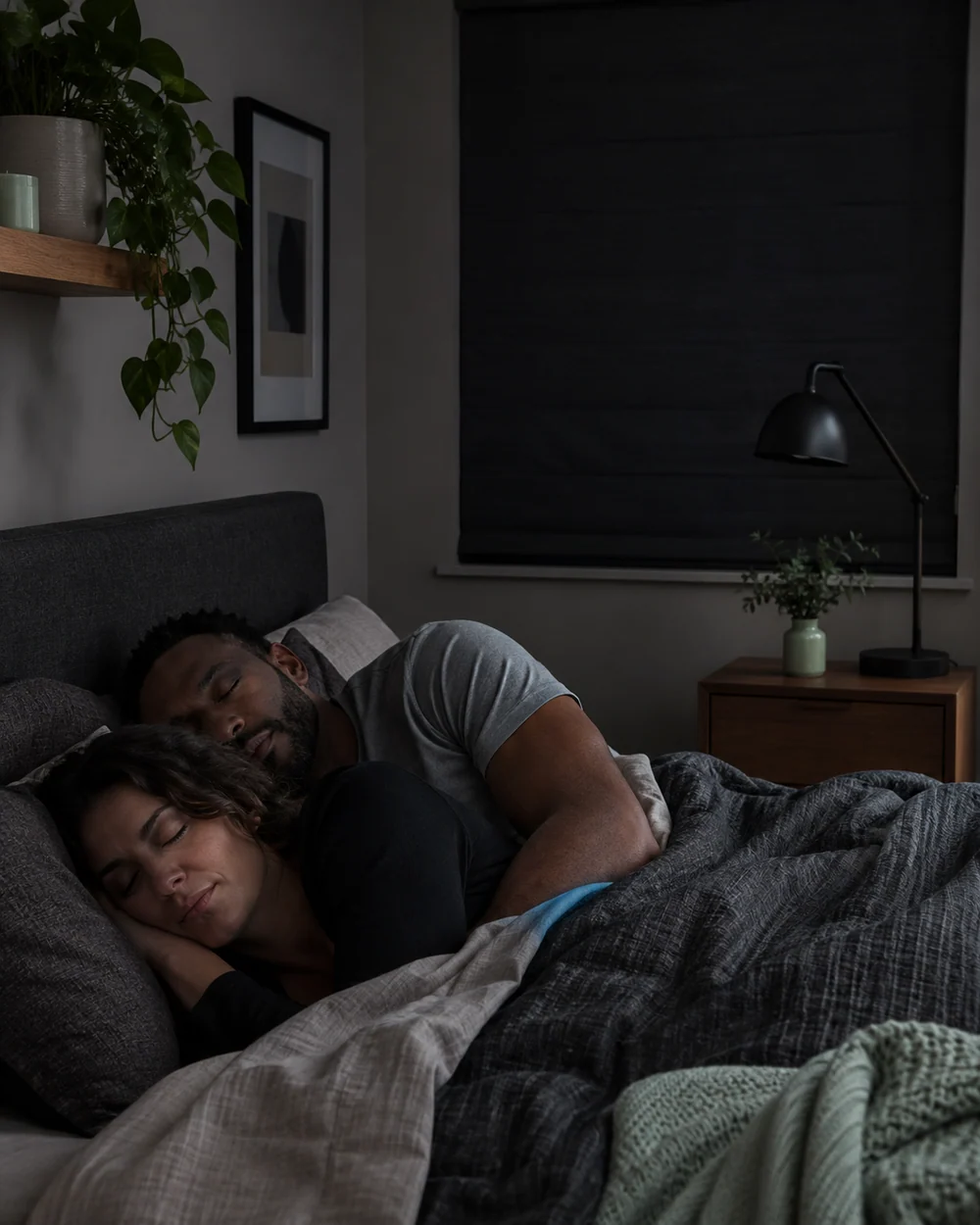
For David West, sleep optimization isn't a gadget. It's a habit: a steady schedule, a dark room and a wind-down he protects like a client meeting. Here are the better sleep habits he relies on, and when it's time to talk to a sleep provider.
Why it matters
Sleep shapes how you train, think, eat and handle stress. The CDC (opens in a new tab) recommends seven or more hours a night for most adults.
David's approach
No hacks. Just the basics, done most nights of the week.
A steady schedule, weekends included, does more than any supplement or tracker.
Screens down, lights low and tomorrow's list on paper, so it's out of his head.
Coffee stays in the morning. Big meals and alcohol stay well before bed, even on event nights.
Getting outside early, on a run or a walk, helps set the rhythm for the day.
Practical framework
Your bedroom should make sleep the easy choice. Two checklists to work through this week.
Mistakes to avoid
Most sleep problems in busy people come from habits, not hardware. Start here.
Big swings in your schedule make Monday harder. Keep your wake time close to the same every day.
Alcohol can make you drowsy, but it tends to make sleep lighter and more broken later in the night.
Trackers and supplements can't solve loud snoring or sleep apnea. If you snore or wake up tired, talk to a sleep provider.
Email in bed keeps your brain at work. Keep the bed for sleep and charge the phone in another room.
In David's network
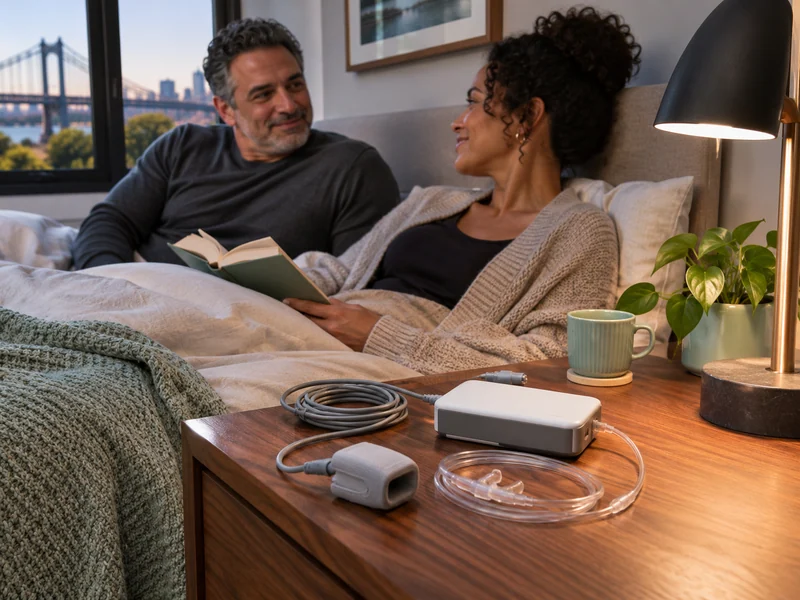
Loud snoring, gasping at night or waking up tired after a full night can be signs of a sleep disorder such as sleep apnea (opens in a new tab). That's a job for a professional, not a new pillow.
Sleep health
Helps people find sleep providers and options for issues like snoring and sleep apnea, including home sleep testing and oral appliance options through providers.
For general sleep education, Sleep Education (opens in a new tab) from the American Academy of Sleep Medicine is a good place to start.
Keep reading
Sauna, cold plunge and the recovery routine around them.
Six habits that add up: strength, cardio, sleep, food, recovery and people.
A food-first approach, and how to vet a supplement before you buy.
Questions
The CDC recommends seven or more hours a night for most adults. Your own needs may differ, so notice how you feel and talk to a doctor if you're tired all the time.
They can show patterns, like later bedtimes on busy weeks. Use the data as a nudge, not a diagnosis, and don't let a score keep you up at night.
If you snore loudly, someone notices you stop breathing at night, or you wake up tired after a full night, talk to your doctor or a sleep provider. These can be signs of sleep apnea or another sleep disorder.
Supplements aren't a substitute for a steady schedule and a dark, cool room, and some interact with medications. Talk to your doctor or pharmacist before you try one.
Get invited
Pick the events that fit your week: morning sessions and after-work meetups on Long Island, evening meetups in Manhattan. Join the invite list.
This is David's personal approach and general information, not medical advice. Talk to a qualified professional about your own health.